









Occupational Therapists and Lingraphica
AAC isn’t just for SLPs

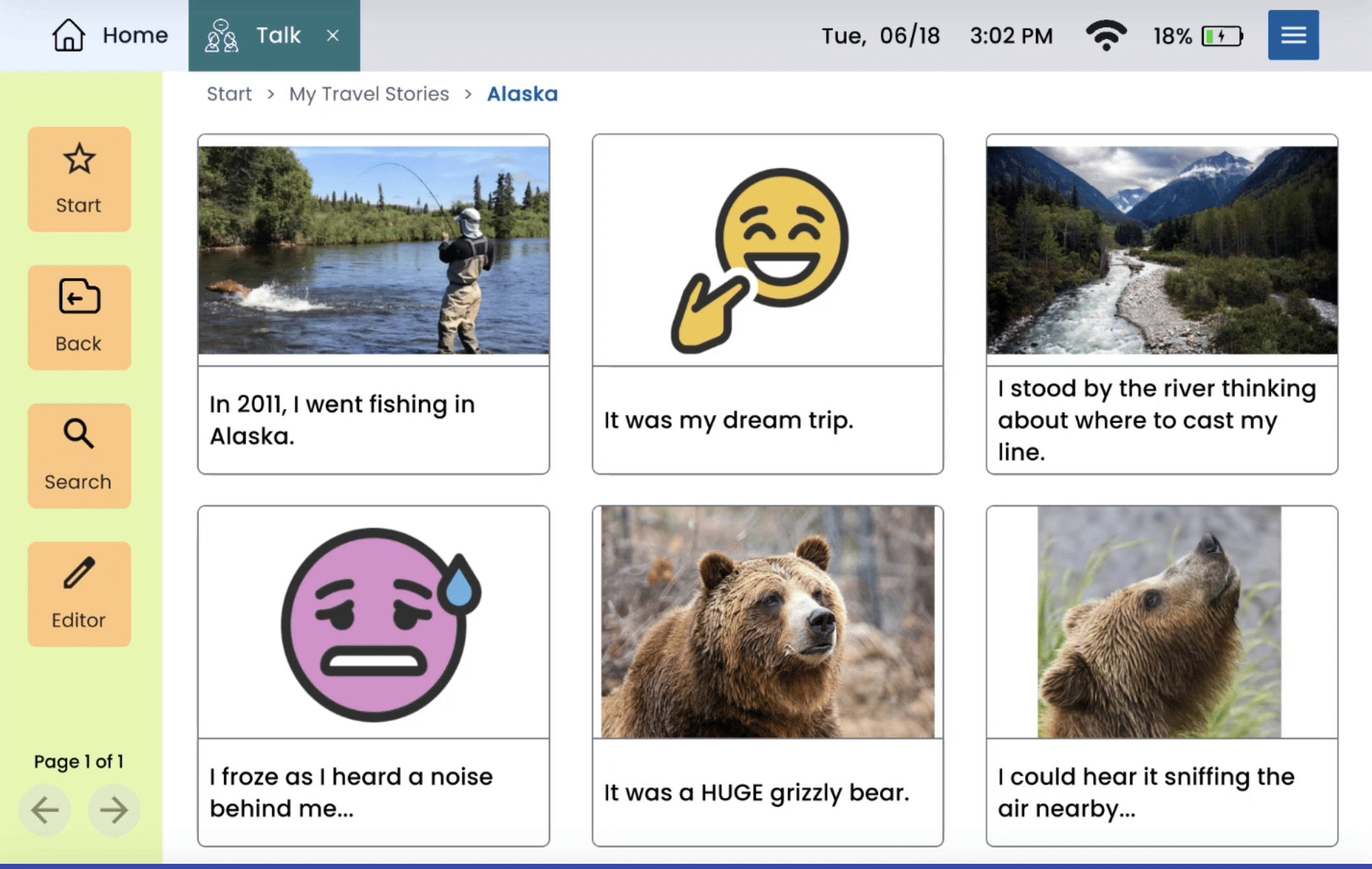
AAC training is important for occupational therapists as they play a critical role in maximizing patient success with AAC.
How Lingraphica Partners with Occupational Therapists
Free Education Opportunities
As an approved AOTA CE provider, Lingraphica offers free education on improving communication with your patients with aphasia as well as the Occupational Therapist’s role in interdisciplinary collaboration for AAC.
Visit the Lingraphica Learning Portal to see our library of free courses.

At-Home Device Training for You and Your Patient
Incorporating high-tech AAC into your OT sessions will help you understand patient’s goals and needs. If your patient is not currently receiving speech therapy, you can help them get started with free at-home training.

Free Occupational
Therapist Resources
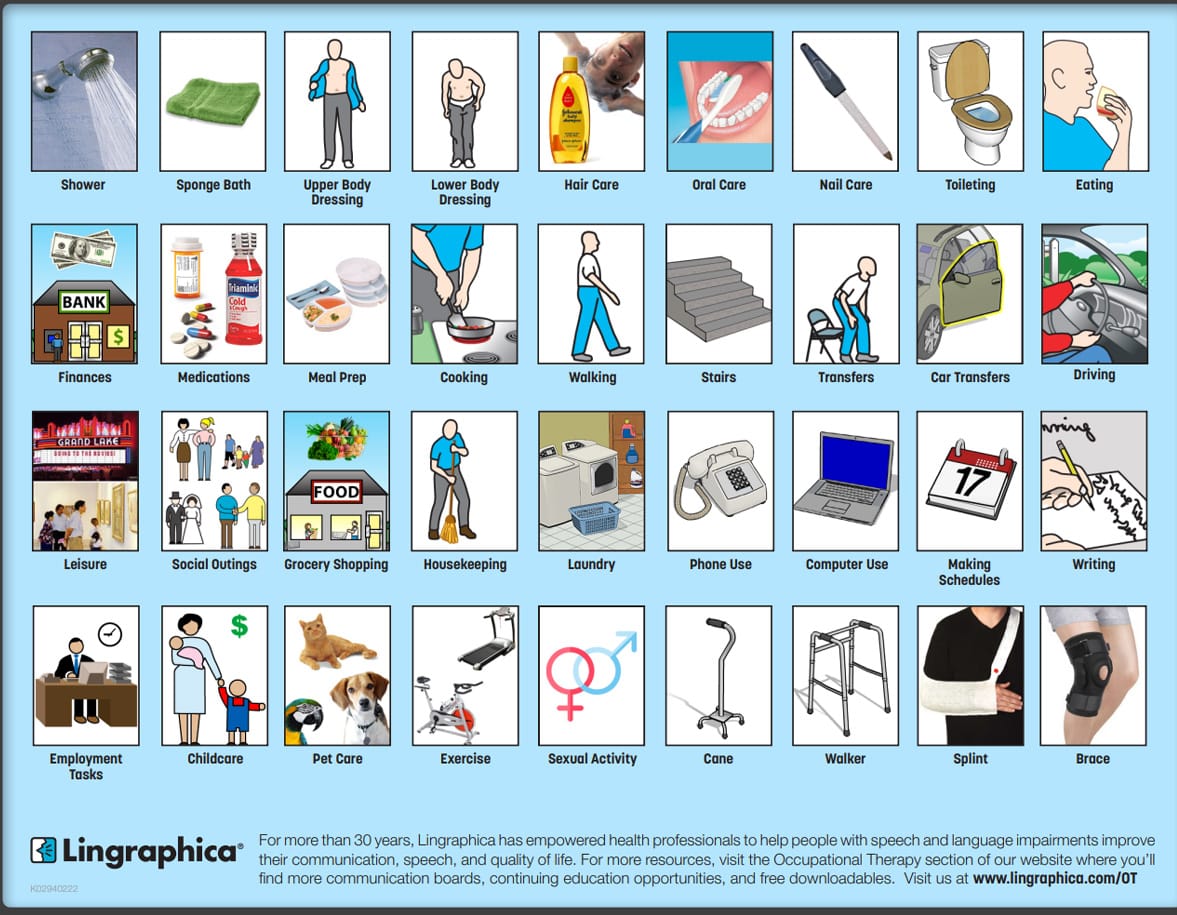
We have developed free downloadable resources to help you incorporate AAC into your sessions with your patients and give you the tools you need to successfully communication with your patients with aphasia.
Complete the form to gain access to communication boards, tips sheets for communication, and more!
How Can A Device Help My Patient?
AAC devices have many benefits that have been shown both in research and in the success stories told by device users and their families. The most immediate benefit is improved communication, which is associated with:

Increased independence for everyday activities

Ability to better participate in day-to-day life
Fewer communication breakdowns

Better connection with family and friends
AAC devices also provide therapeutic benefits. Simply using a device has been shown to improve language skills and many individuals experience an increase in verbal speech. Lingraphica AAC devices also offer activities, videos, and quizzes that can improve speech and cognition.
Finally, AAC devices are beneficial to the user’s caregiver and family members since it allows the user to be more independent and reduces the burden on others.
